

Stephen Wiman, former owner of Good Water Company; Article by Sandy Nelson
When the owner of a small business wants to move on, whether to retire or to pursue other ventures, he or she has three potential paths: close the business, sell it to investors or to a competitor or let the employees purchase it.
Each option has consequences for a community that relies on local businesses for jobs and revenue generation.
Stephen Wiman, former owner of Good Water Company in Santa Fe, never considered closing the independent water company he purchased in 2005 when he exited the company 11 years later. Continue reading




 Entrepreneurship is exhilarating and dynamic, especially in the beginning, as the business plan is set in motion and a product or service begins its path to market. The unpredictability of this journey is part of the reason it’s so stimulating to start and build a business, but maintaining that level of excitement and drive can be challenging when the business’s evolution doesn’t unfold according to plan.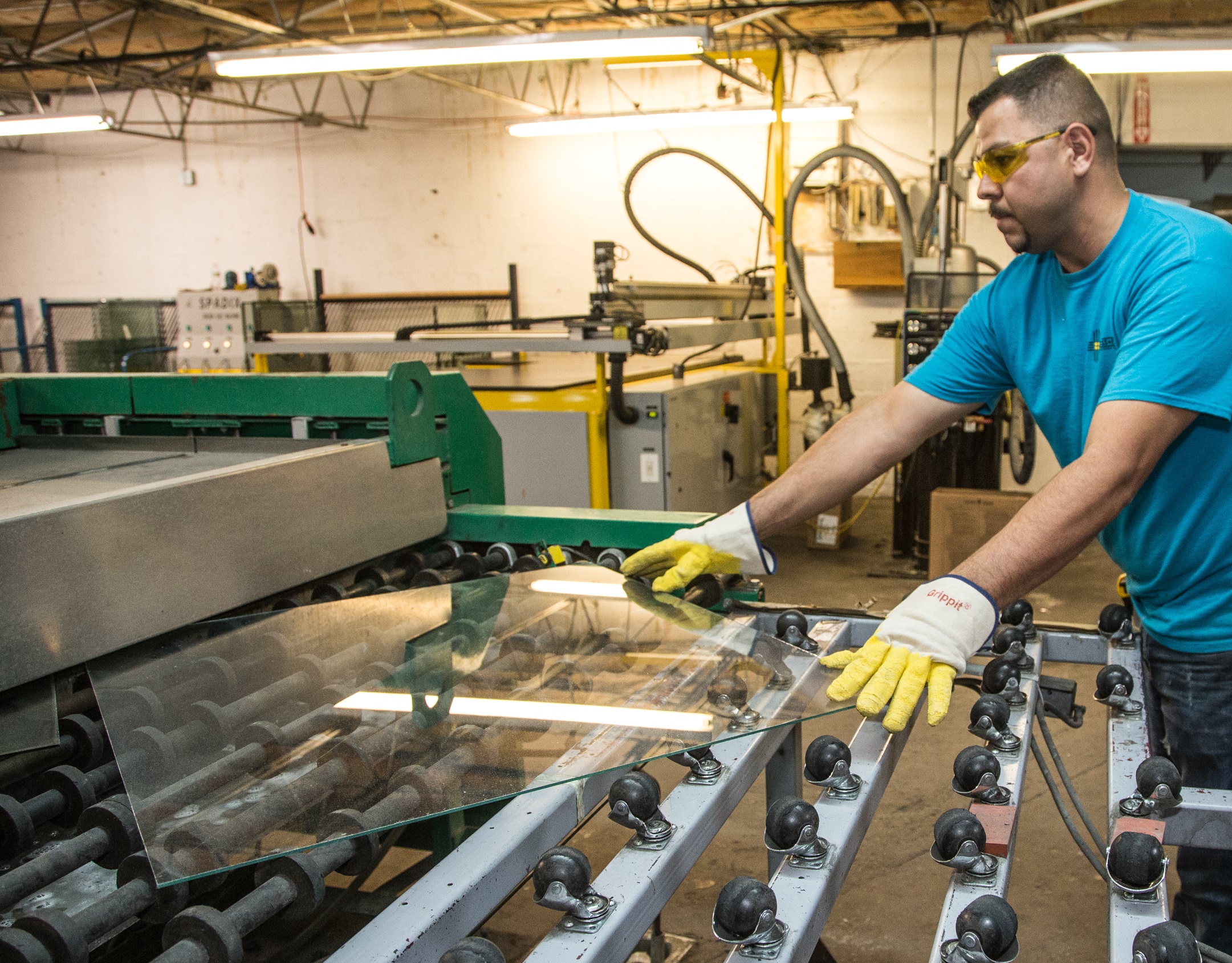
 Toby Rittner wants to help communities leverage their limited financial resources to solve the needs of business, industry, developers and investors.
 Small businesses are attuned to the risks they face when material costs and interest rates start to rise and competitors make inroads into their market share, but they’re not always conscious of less predictable but increasingly common risks, such as natural disasters. And they don’t always know about the resources available when their city or county is formally declared a disaster area and they become eligible for government assistance.
 Chambers of commerce are trade associations charged with creating a business-friendly environment for their members in the communities where they’re based. They do this by advocating, educating and providing a variety of publicity tools.